
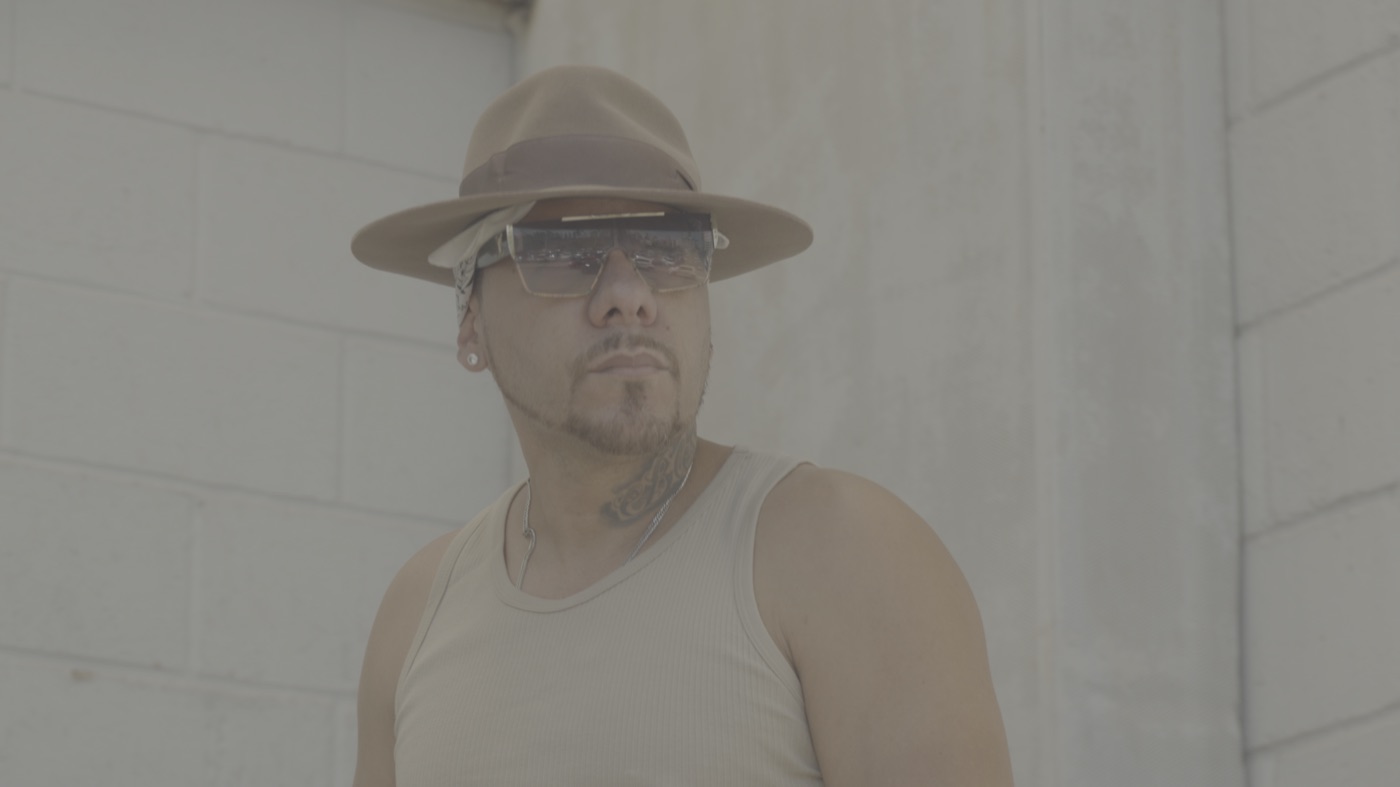
Ismael Duarte
Director responsible for the project’s intercultural articulation — the bridge between the artists, the countries and the institutions involved.
The role
Who holds the encounter together
A project that crosses two continents cannot rest on music alone. Someone has to open and keep the doors: speak with artists in different countries, align expectations between people who have never met in person, deal with institutions, and make sure the collaboration actually happens — with credit, with dates, with a record.
That is Ismael Duarte‘s role in Projeto Afro. While Leo Maverick signs the artistic and audiovisual direction and Kadyn handles music production, Ismael holds the intercultural direction: the articulation that turns a friendship between Brazil and Mozambique into structured work, and structured work into dialogue with diplomatic missions and cultural institutions.
In the project
What intercultural direction covers
- Relations between artistsLeading the collaboration between Brazilian and African artists, from first contact to published work, ensuring real participation and credit.
- Institutional dialoguePresenting the project to diplomatic missions and cultural institutions of Mozambique, Malawi and Nigeria, and conducting those conversations.
- MobilityEnabling the artists to travel between countries — starting with bringing Medisson Diplomata to Brazil.
- ExpansionOpening the way for the project’s next collaborations across the African continent.
Why the role exists
Exchange does not happen on its own
Projeto Afro starts from a simple premise: African music and Latin urban music share a root, and that root deserves a real encounter rather than a distant reference. But a real encounter costs organisation — time zones, languages, distance, paperwork, trust.
Separating intercultural direction from artistic direction is a deliberate choice, not a formality. It lets the music be made by those who make music, while the bridge is built and maintained by someone who takes care of it.
Dialogue
For institutions and press
Diplomatic missions, cultural institutions and press in the countries involved can deal directly with the project’s direction. The dossier gathers goals, current status and production contact.